Steel structural members play a central role in load-bearing and connection throughout steel structure projects, and their quality directly determines the safety and stability of a building. During the production process, welding details are one of the most critical control points.
High-quality steel structural components typically employ CO₂ gas shielded arc welding or submerged arc welding to ensure uniform welds and sufficient penetration depth. Prior to welding, the steel grooves must be precisely machined and thoroughly cleaned of oil and rust to prevent defects such as porosity and slag inclusions. During the welding process, current, voltage, and welding speed must be strictly controlled to ensure that the welds are aesthetically formed and meet strength requirements.
At the same time, every weld on a steel structural component must undergo non-destructive testing, such as ultrasonic testing or magnetic particle testing, to ensure that the internal quality meets design specifications. For critical load-bearing joints, secondary reinforcement welding is also performed to enhance the safety factor of the overall structure.
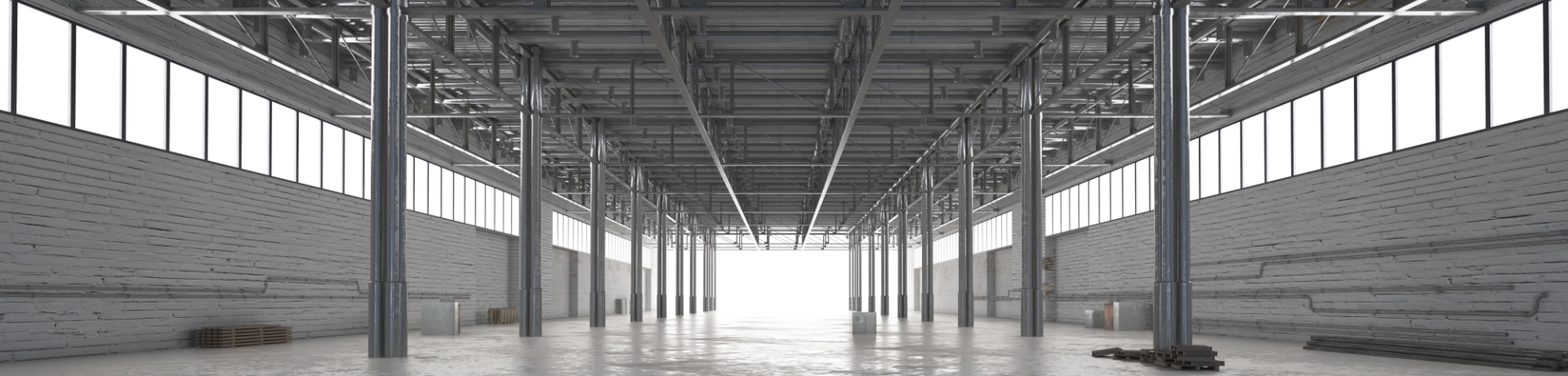
It is precisely through these meticulous controls over welding details that steel structural components can deliver long-term, stable load-bearing performance in large warehouses, factories, and industrial buildings, ensuring the reliable operation of the entire steel structural system.